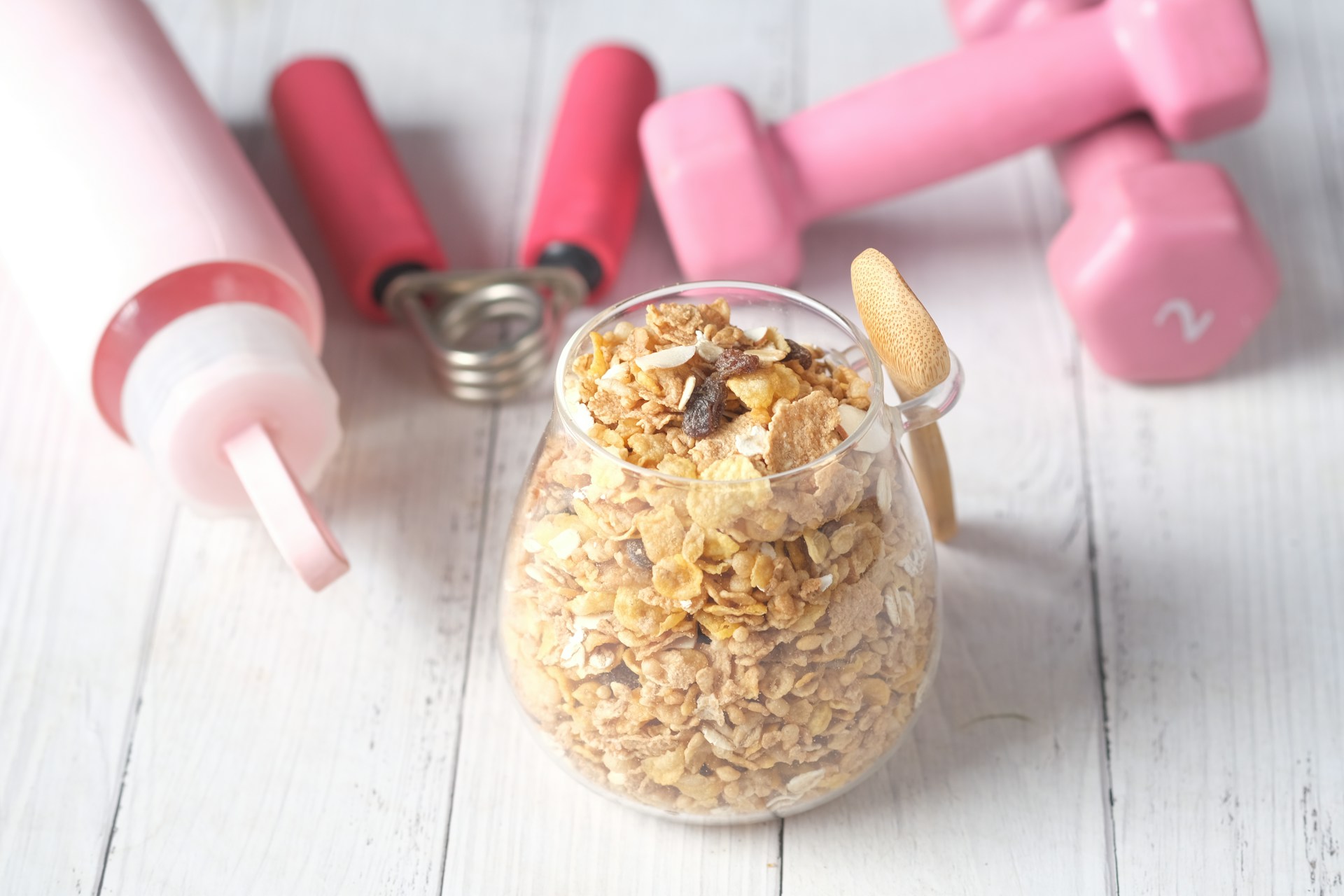
Vegetarian meals and sports performance
It's possible to have a great exercise performance and have a plant based meal?
Submitted by our nutritionist Inês Panão
Being an athlete and practicing a vegetarian diet is not impossible nor does it imply less sports performance, in addition to bringing many health benefits.
A vegetarian diet is based on a large amount of carbohydrates and antioxidants, which in themselves are very important for performance.
Starting with daily energy needs, these are adapted to the athlete, gender, modality, training intensity... And when well planned, food can satisfy these same needs.
And the macronutrients too. Starting with the main fuel for training, carbohydrates are as mentioned earlier easily attainable as a result of cereal intake.
Protein depends on legumes, seeds, and nuts. If it makes sense, it can be further reinforced with some supplementation, such as a protein powder based on hemp, peas and rice (for example).
Finally, the inclusion of vegetable fats, through nuts, seeds, olive oil, avocado... also allows you to meet your daily needs for this nutrient.
It should be noted that some foods may be less beneficial, such as an excess of whole grains, coffee or tea, as they are rich in tannins and phytochemicals that can interfere with the absorption of certain nutrients such as iron.
This mineral is extremely important for sports performance, even more in female athletes and supplementation may be necessary. But as has been said: each athlete is unic.
Other relevant micronutrients are vitamin B12, zinc, calcium and vitamin D, which in a vegetarian diet can be obtained mainly from fortified foods such as vegetable drinks, cereals and nutritional yeast.