Let’s talk about calcium
Is there a calcium deficit with a vegetarian diet?
Submitted by our nutritionist Inês Panão
Calcium is an important mineral for the formation and maintenance of bones and teeth, but it is also essential for muscle contraction, normal heart rhythm and nerve function.
Milk and derivatives are very famous for their richness in calcium, but there are many other foods that provide this mineral. Furthermore, many products of plant origin are already enriched in this mineral, as is the case of vegetable milks and yogurts and some cereals.
The absorption of calcium itself does not depend only on the amount present in food but on other factors: the existence of compounds such as phytates and oxalates in food that compete with its absorption (which happens in spinach for example).
Vegetable food sources of calcium
250mL glass of vegetable milk enriched in calcium = 300mg
125g calcium-enriched plant-based yogurt = 150mg
30g calcium-enriched instant oatmeal = 420mg
½ lunch cup raw tofu = 438mg
1 tablespoon of tahini (18g) = 122mg
2 dried figs (40g) = 100mg
½ cup dry grain meal = 160mg
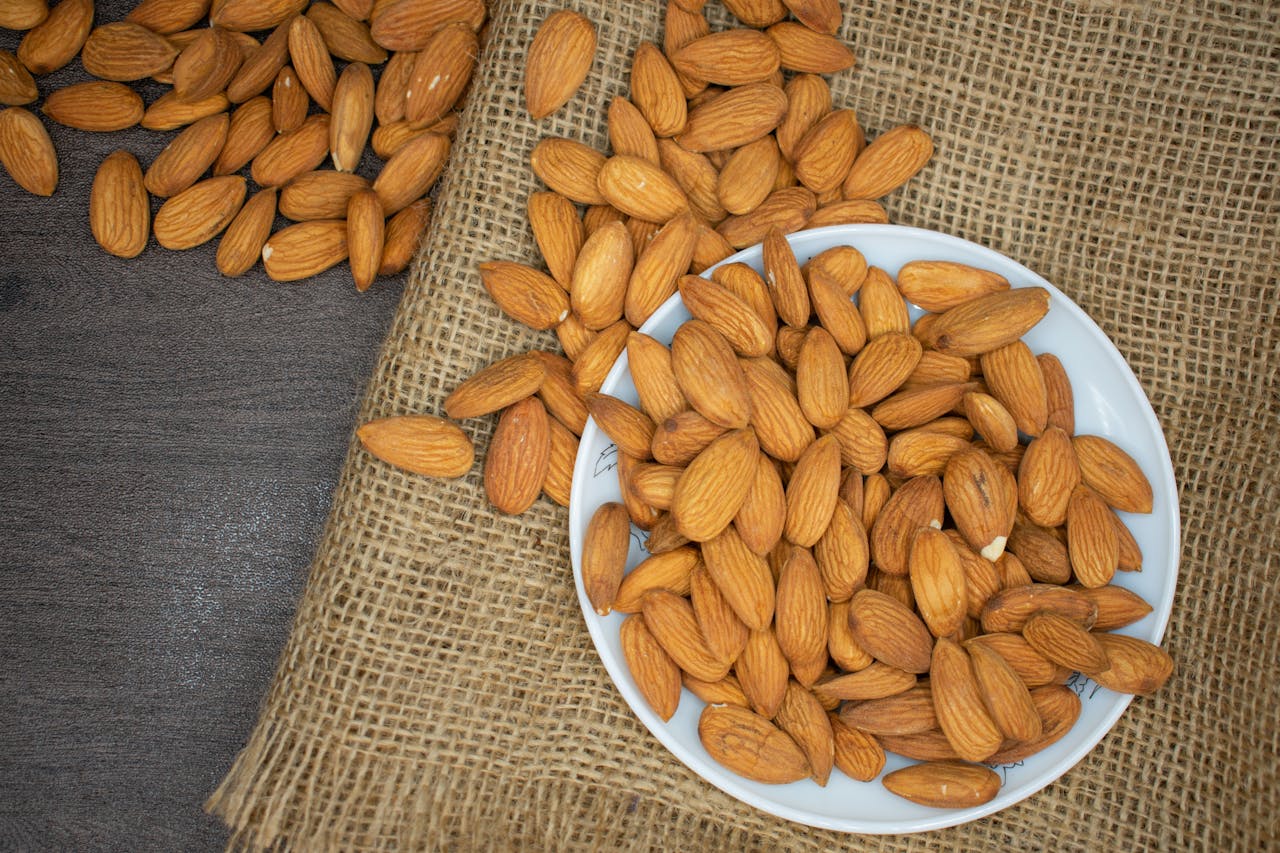
30g almonds = 81mg
2 tablespoons of sesame seeds (22g) = 147mg
2 tablespoons of chia seeds (20g) = 105mg
2 lunch cups of raw kale = 47mg
What are the recommended amounts?
As with all other nutrients, amounts of calcium depend on age and gender.
For example, for adults between 19-64 years old, it is recommended to consume 700mg/calcium per day. This amount is higher in breastfeeding women (1250mg/day) and menopause (1200mg/day), as well as people with osteoporosis (1000mg/day).