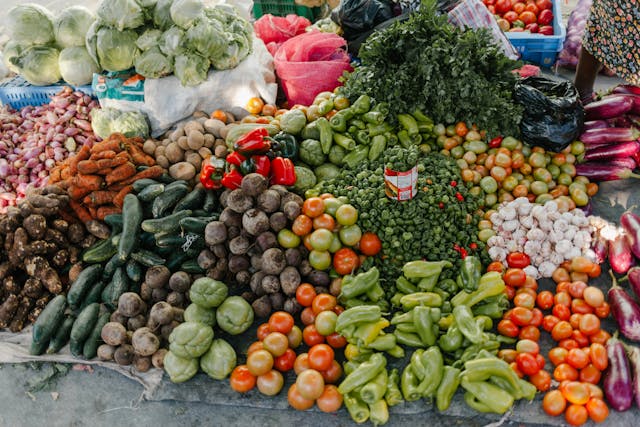
How to reduce food waste
How to have a plant base diet and be ecofriendly?
Submitted by our nutritionist Inês Panão
According to the Food and Agriculture Organization of the United Nations (FAO) about a third of the food produced in the world for human consumption is wasted.
There are small attitudes that make big differences and we can make that difference! Motivate the ones around you with the following tips:
Preparation:
Defining the meals for the week and the groceries list prevents you from buying food that you don't need. Either because they are less nutritious food, or simply because you forget to prepare and cook, and then waste food.
Shopping:
Before shopping, make a list of what you have at home and how you are going to use it;
Check the expiry date of the products (at home and in the market);
Make your own shopping bags from older fabrics or pillowcases.
Buy loose (a vulso?)
Choose products with refillable packaging and in glass bottles.
Storage:
Store groceries correctly: foods with the shortest shelf life in the front in the fridge and the ones with the longest shelf life in the back.
In the pantry, use the FIFO (first in, first out) strategy, that is, the oldest foods are placed in the front and used first.
Avoid having a full pantry because the probability to forgetting is greater.
Storing vegetables with stalks, such as cabbage, broccoli, and aromatic herbs. In a container with a bit of water and then place it in the cold, will help to prolong the cool time.
Store green leaves (eg: spinach, watercress) in a damp cloth in the refrigerator.
To store aromatic herbs and prevent them from turning yellow, they can be washed well and frozen. Another way is to store them already seasoned with olive oil in trays.
Separate fruits and vegetables with ethylene gas (avocados, bananas, chives, tomatoes) from the rest.
This gas will ripen other sensitive fruits and vegetables more quickly (cucumbers, carrots, lettuce, potatoes);
Cooking:
Bet on stainless steel or ceramic kitchen utensils so that they can be well cleaned and reused, instead of plastic.
When cooking, make sure that every part of the vegetable can be cooked and eaten, including the stalks.
When the fruits begin to ripen prepare a fruit salad. Or freeze them to make juices, smoothies, and ice cream later.
Store leftovers in the fridge or freezer in individual doses and in an appropriate container (glass box if possible). Label with name and date to know what is the expiry date.
Disconnect equipment from the current.
Be creative in the kitchen with leftovers.
The water that is changed to keep the vegetables fresh can be used to water the plants.
After cooking:
Place the squeezed lemon in the dishwasher to eliminate odors. Or make tea with the bark or flavor waters.
Glass jars can be reused to store things in the pantry, store homemade jams, offer cookies... Glass bottles can also be reused, well washed they make beautiful flower vases.
The ice cream boxes, once taken, work to store cookies, cakes...
For those who have a backyard / garden, make compost. Allows you to recycle biodegradable waste and nourish the earth.