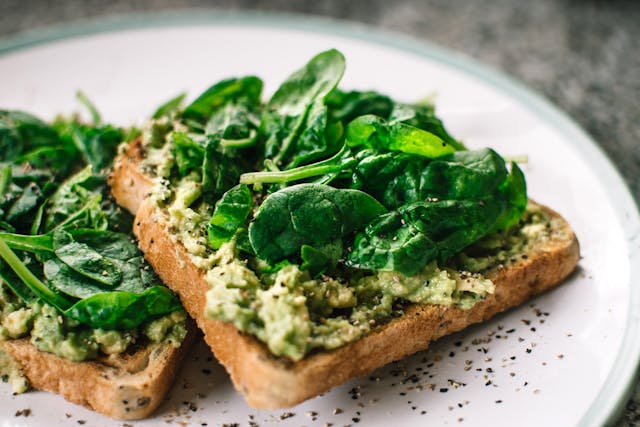
Healthy Vegan Meals
How to achieve a vegetarian and balanced diet
Submitted by our nutritionist Inês Panão
A vegan diet excludes all foods of animal origin, in addition to meat and fish, dairy products, eggs and honey.
It also takes into account concerns about clothing and products tested on animals. It's much more than a diet, it's a lifestyle!
It is based on vegetables, fruits, cereals and derivatives and legumes. It can be done and it should be very varied, all it takes is imagination. It is natural that anyone who does not follow this diet will find it difficult to vary the foods and the way they are prepared.
These days there is an increasing supply of food products for vegans. Which is a big win, but it's also important to understand whether these products are interesting to us. Hence understanding labels is relevant.
But today we are going to explain this type of food better.
What are the vegan protein sources?
Legumes, such as beans, grains, lentils, lupins...
Soy and derivatives (tofu, soy drinks and yogurt)
Dried fruits and seeds
Semi-cereals such as quinoa and buckwheat
And iron, if you don't eat meat how will you get this mineral?
Lentils, beans, peas and grain
Soy and derivatives
Dark green leafy vegetables, such as spinach
Whole grains
Dried fruits and seeds
What about vitamin B12?
This vitamin is found mainly in foods of animal origin and that is why most vegans supplement it. But in addition to supplementation, we can also obtain it through fortified foods, such as vegetable drinks and nutritional yeast.
What about calcium?
Dairy products are famous for their calcium content, but in fact we can also find this mineral in vegan sources:
Almonds
Sesame seeds and paste (tahini)
Green leafy vegetables
Broccoli
Fortified foods
Therefore, a vegan diet does not mean nutritional deficiencies, nor does it require supplementation. It has to be adapted to each person and that is why monitoring by a nutritionist is so important.