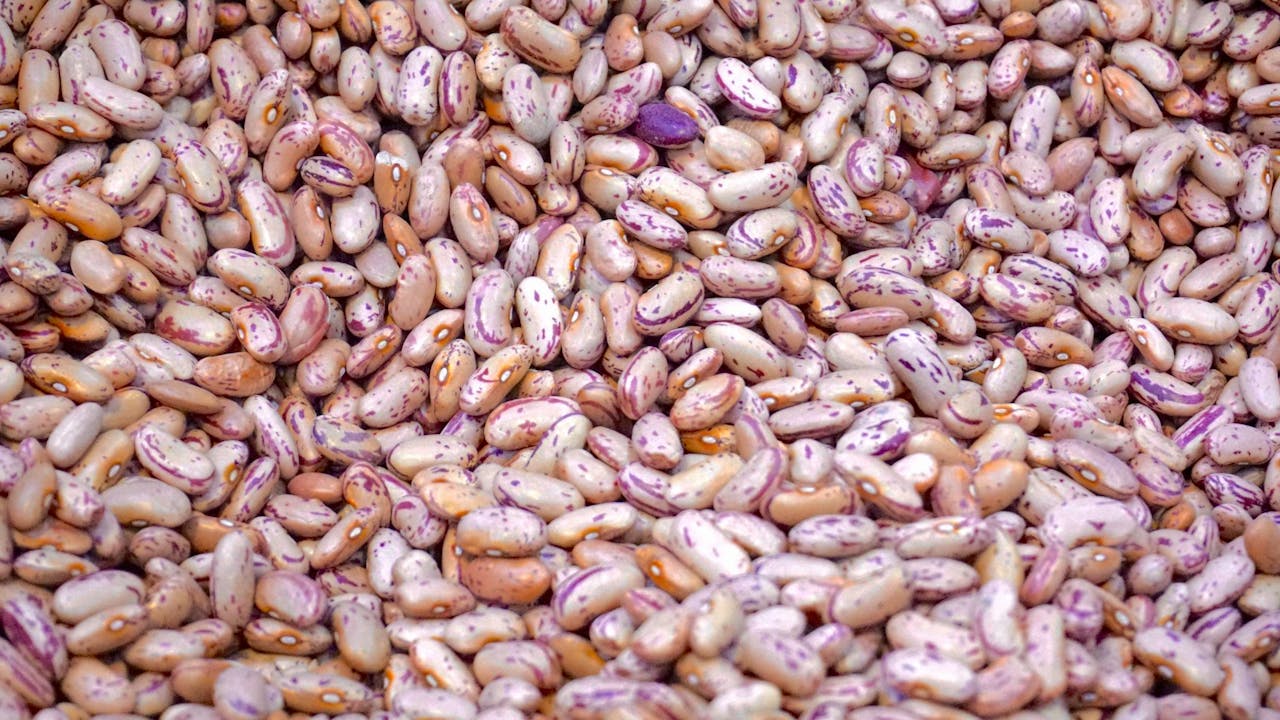
Plant based proteins
How to substitute de animal protein in a vegetarian diet?
Submitted by our nutritionist Inês Panão
What are proteins?
Protein is a macronutrient, that is, one of the main nutrients. This is because they are “large” molecules made up of several interconnected amino acids.
In our organism we manage to synthesize proteins through the combination of certain amino acids. These amino acids are called non-essential.
But there are essential amino acids that we can only get through food. This is found in animal origin foods and some of vegetable origin, such as soy, quinoa and amaranth. The proteins formed by these essential amino acids are called high biological value proteins.
In certain conditions and diseases non-essential amino acids can become conditionally essential.
It is important to point out that there are many foods of vegetable origin that contain all the essential amino acids, but the amount of one or the other can be reduced and that is why it is important to combine cereals with legumes. That is, to make protein complementarity.
To meet all the amino acid needs, it is not necessary to make combinations of specific foods, as long as the energy (calories) and protein needs per day are met.
Function of proteins?
They participate in many processes in the body.
Biochemistry: proteins are part of enzymes, hormones, and neurotransmitters. These function as regulators of the circulation of various nutrients.
Transport: some proteins transport other substances. Examples of these proteins are hemoglobin, albumin, among others.
Defense: for example, the immunoglobulins that form part of the immune system's defense line.
Structural: Proteins are part of collagen, present in hair, nails and fur. But also the actin and myosin fibers that define the muscle fibers.
Therefore, proteins are important in cell growth and repair, as well as normal muscle contraction and an efficient immune system.
Proteins can only function as a source of energy when the supply of carbohydrates and fat is insufficient.
What are the recommended amounts of protein?
Recommendations depend on physical activity:
From 0.8g/kg weight to 2.4g/kg weight, depending on age, gender, and physical exercise.
Amount of protein per 100g/food:
Quinoa 4g
Chickpeas 6g
Cooked lentils 8g
Tofu 15g
Oatmeal 17g
Flax seeds 18g
Cashew 18g
Tempeh 21g
Almond 21g
Peanut Butter 23g
Pumpkin seeds 24g
Seitan 26g